Early August plant deliveries

Suzie Rush • August 7, 2026

The plants we are dispatching and how to care for them.

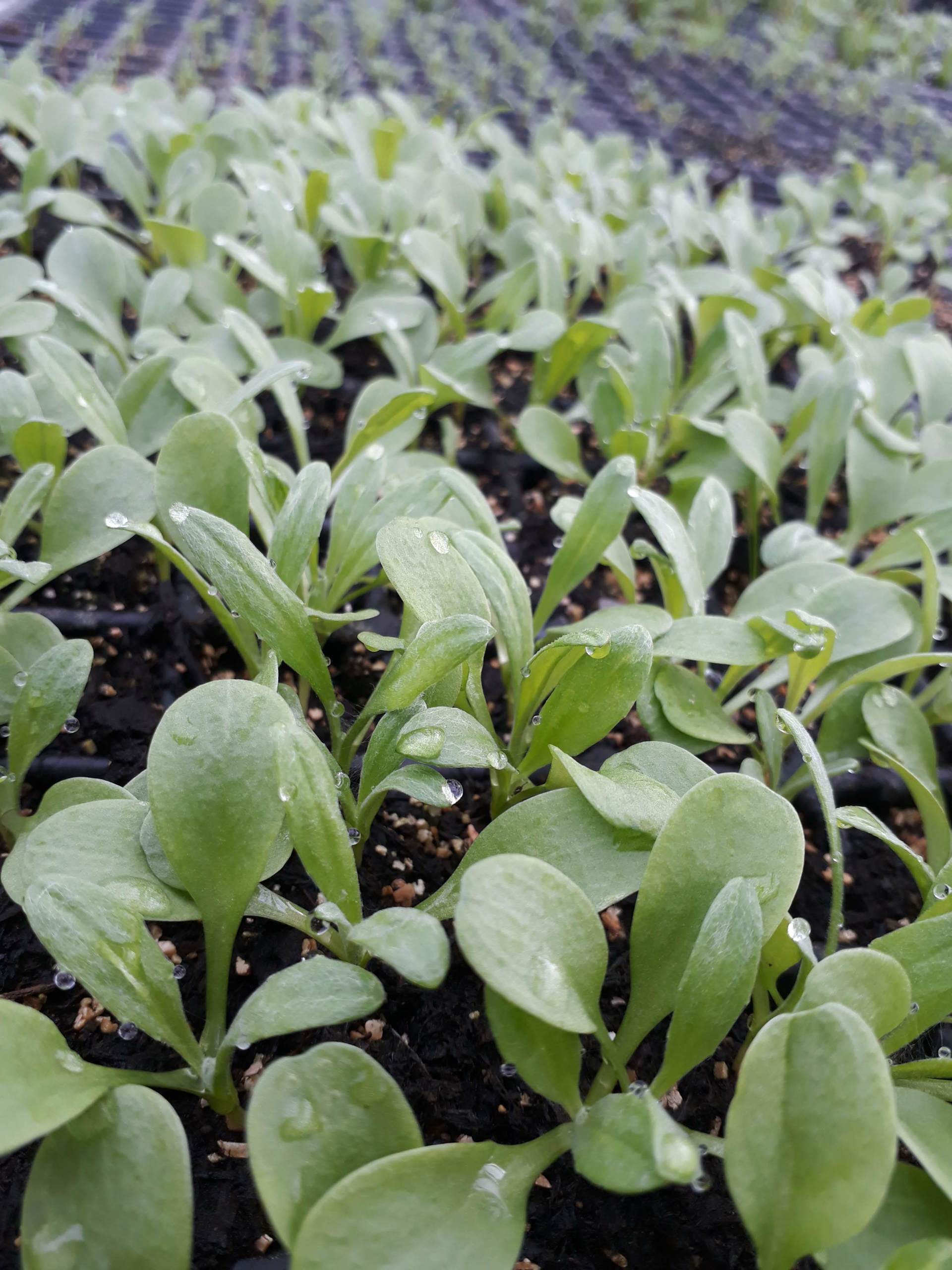
During the first part of August we will be dispatching Biennials and perennial plants only, as we head into mid to late August we will begin to list Hardy Annuals and I will publish a blog post about their care when we begin to dispatch those varieties. It is important to understand the differences in these plant categories when deciding how to deal with your plants.


SOIL

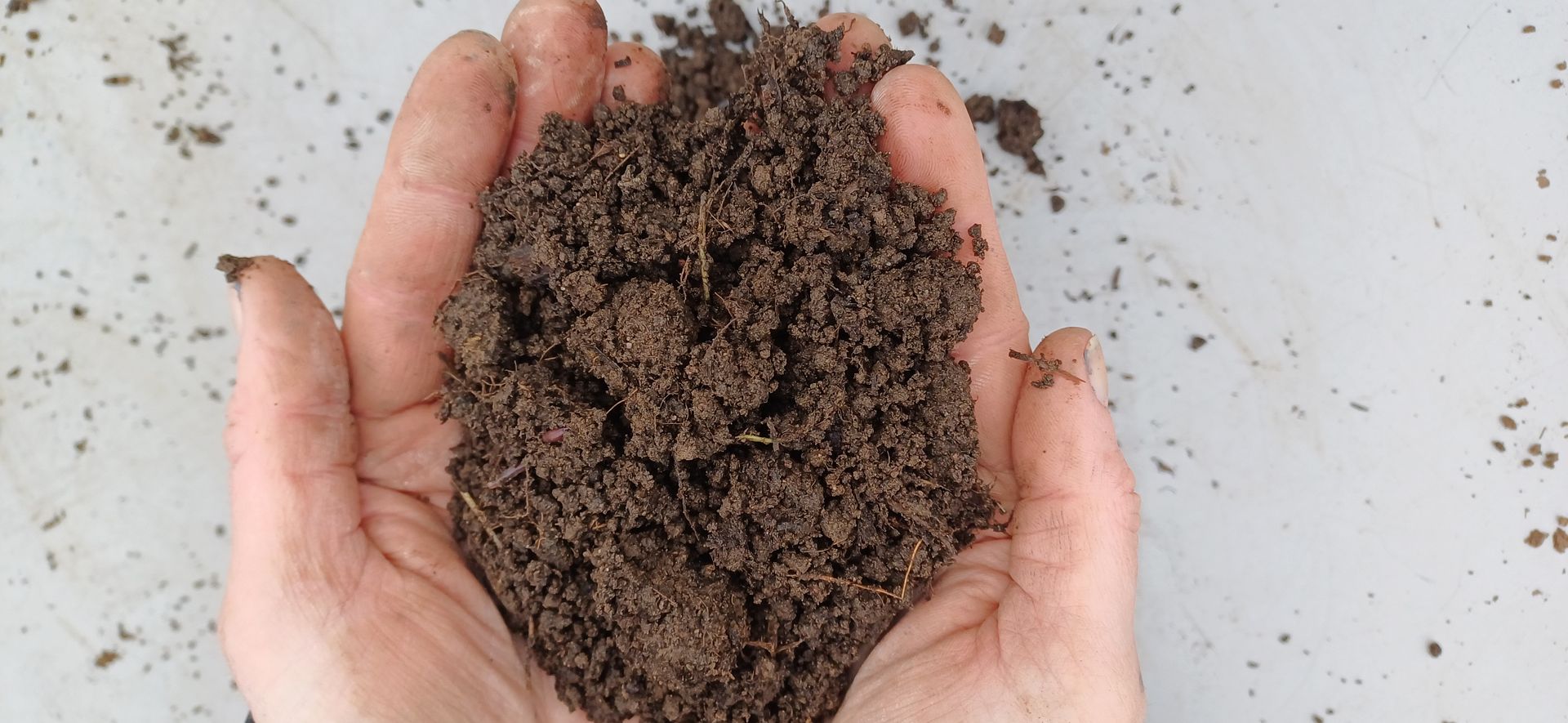
Understanding your soil is the most important part of the decision-making process. You don't need any fancy tests; it is just a case of knowing if your soil is heavy and holds water over winter or if it is light and free-draining. you will be able to tell this by holding a trowel of soil if it remains crumbly and can trickle through your fingers, it is likely to be a bit sandy, if it holds together, it is likely yo be more clay and will hold water and be colder and heavier over winter. In which case it may be best keeping your plants in pots over winter and planting out in March.
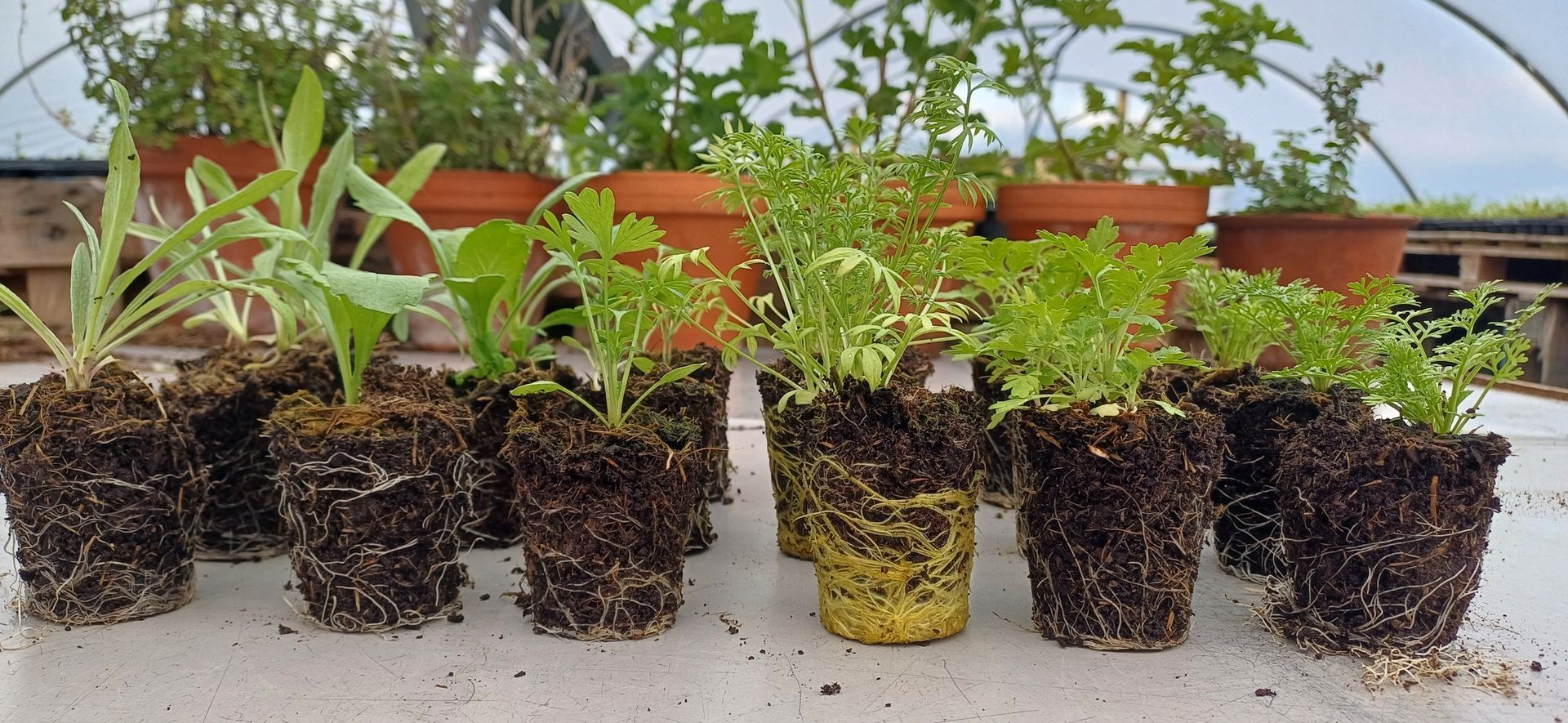
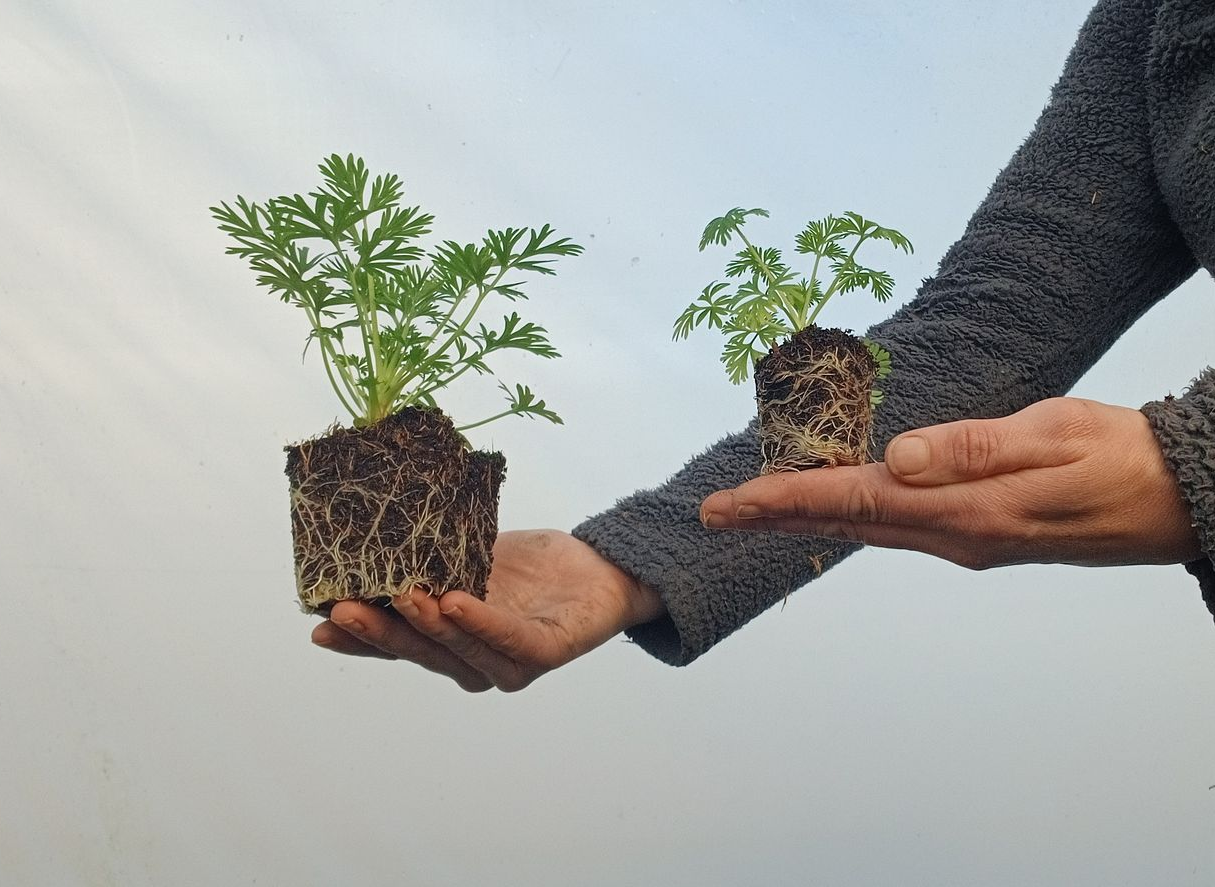
GROWING LOCATION is another consideration. All of the plants we are dispatching during Autumn are hardy. They will all survive an average UK winter, in pots or planted out in free-draining soils. We grow in a rural frost pocket in North Yorkshire and all our plants will make it through our temperatures. If you are growing in a more urban or southern location your ground is likely to remain warmer still than our here, so you have nothing to worry about in terms of temperature. Do, though, watch out for any periods of persistent snow lying on pots; it may be benifical to keep pots in a cold frame. All plants will need to be housed in a sunny location whilst potted.


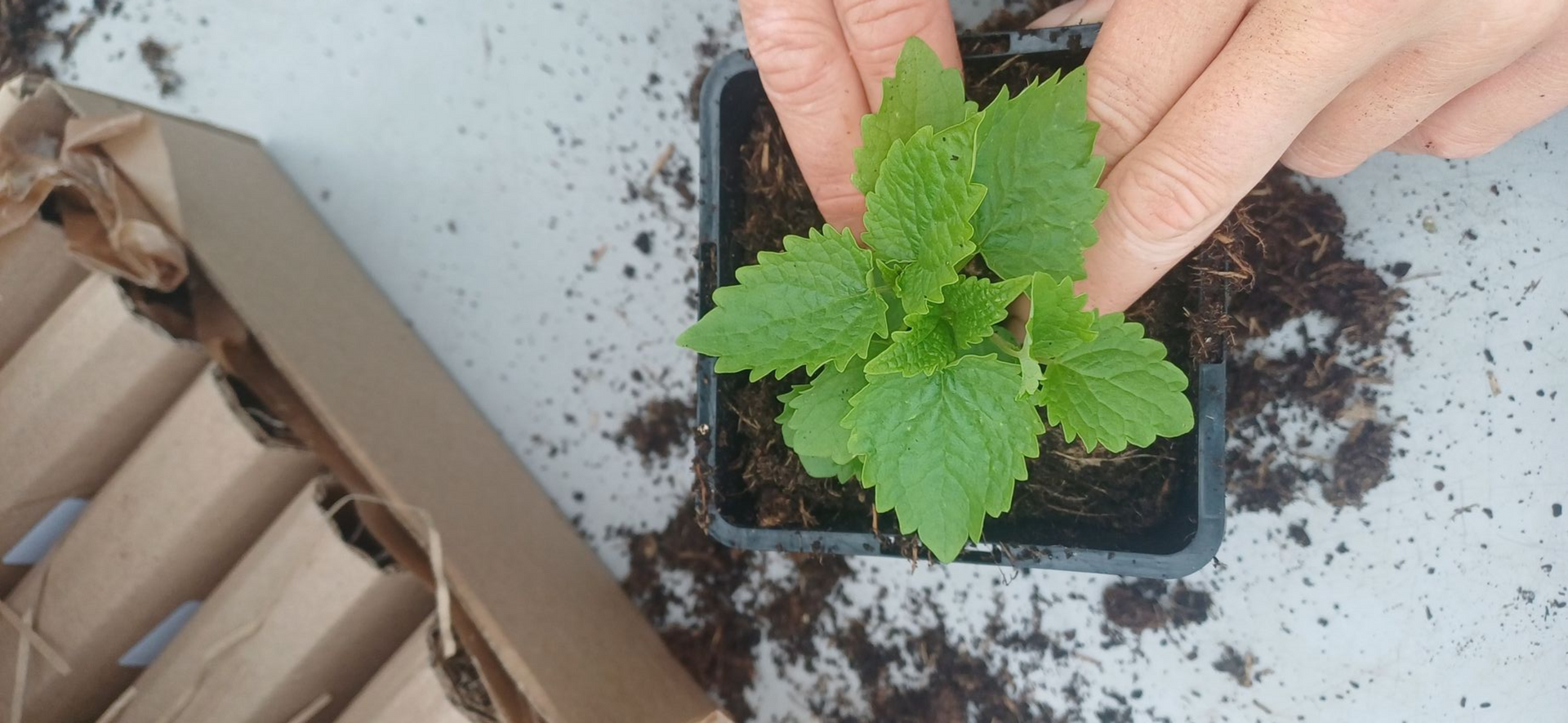
Potting plug plants initially into 9cm pots helps them establish a larger, more developed root system. If you feel your plants may benefit from being a bit bigger to withstand your soil conditions, then potting on for 3 weeks will allow them to develop further. be careful, though, not to keep your plants to warm as they may stretch. Cooler plants will be happier, healthier and more robust. If you wish to over-winter your plants in pots ensure they stay damp but not wet over winter. 


The plants won't require any additional feed other than the fresh compost they are potted into. Over winter, plants need to develop their root system rather than producing lots of top growth. Perennial varieties are likely to lose thier top growth altogether this is a natural part of their growing cycle and is nothing to worry about.
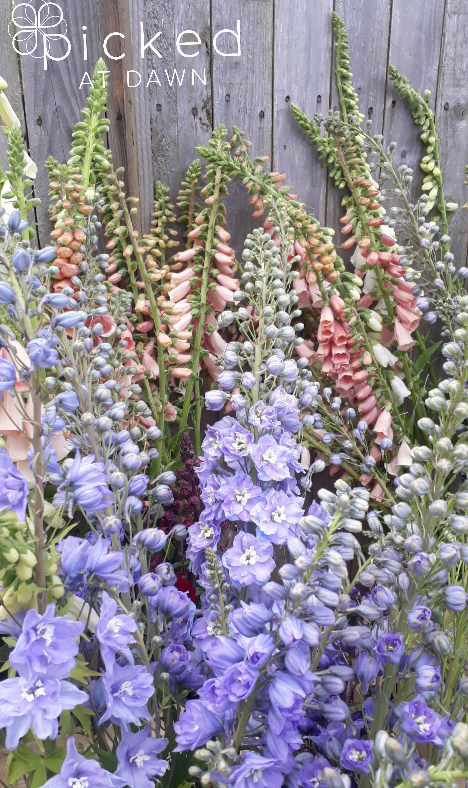


I hope you find this information of help when deciding how to maintain your plants over autumn and winter

Suzie